 |
|
|
|
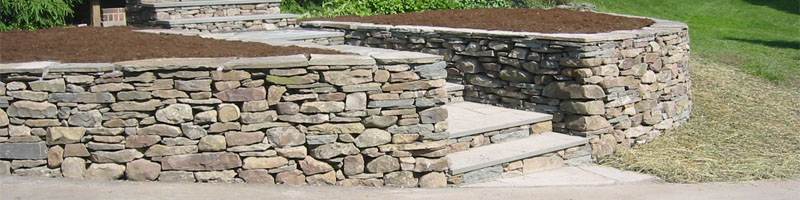
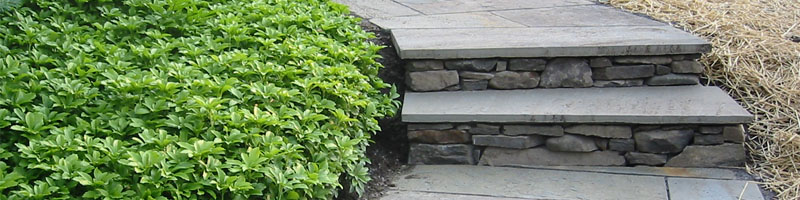
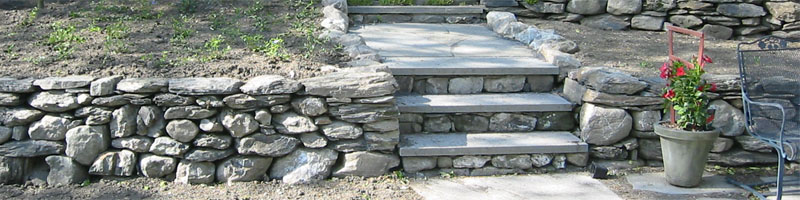
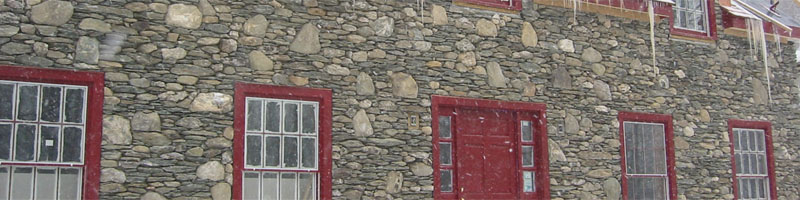

Manufactured StoneManufactured Stone is becoming more and more popular for both the interior and exterior of homes. Manufactured Stone is a man made stone manufactured primarily for decorative accents. It is made up of cement, natural aggregates, and iron oxide pigments. In order to give Manufactured Stones a realistic shape they are often created by using a mold of a natural stone. Using Manufactured Stone in your home has both its advantages and disadvantages. 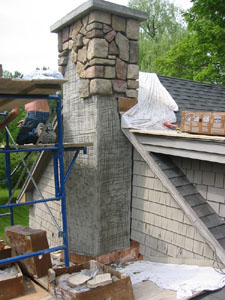
Manufactured Stone chimney One of the main benefits of Manufactured Stones versus natural ones is that Manufactured Stones are much more lightweight. This is an advantage because it places less weight on the foundation of your home. This is a particularly important factor if your home is built on unstable ground. In addition, when using Manufactured Stone you are not required to have a brick ledge on your foundation. This is mostly due to the fact that the back of a Manufactured Stone is flat allowing for excellent surface contact. Manufactured Stone is also faster and less difficult to install than natural stone. It is also easy to find, and simple to replace. One of the major disadvantages is its price. It can be a costly investment compared to natural stone which is more readily available and in some cases free. 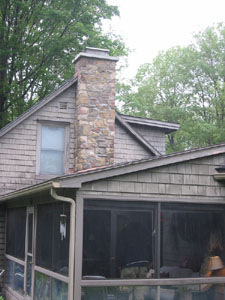
Manufactured Stone chimney finished In addition, if Manufactured Stone is not installed properly it becomes obvious that the stone is artificial. This is particularly true if large gaps are left between stones. Since these stones are not as thick as real stones this flaw will be apparent if installation is not done well. Another drawback is that most Manufactured Stones are not colored all of the way through. This means if a stone has to be cut during installation the cement colored interior may show through. You should heck with the manufacturer to find a style that colors the stone all of the way through to avoid this. |
 |